New discovery of 489 “promising” minerals and rare earth sites
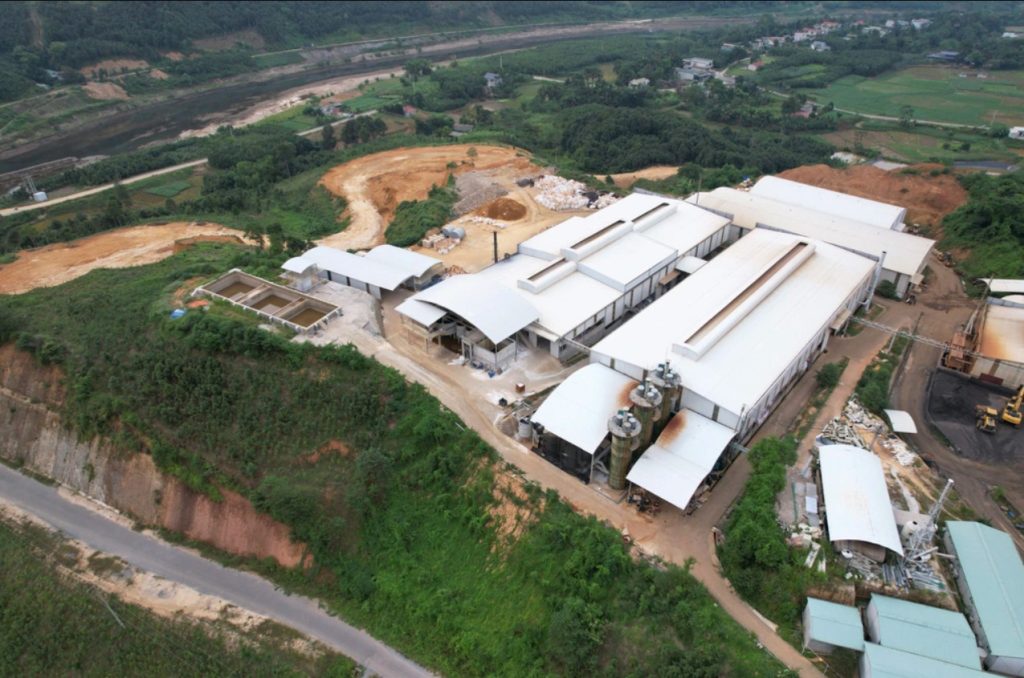
The Ministry of Natural Resources and Environment has announced the discovery of 489 new mineral points of various types. Promising mineral areas have been identified, such as rare earth minerals in Bao Thang (Lao Cai) and Lai Chau, as well as gold in Tuyen Quang. According to information from the Ministry of Natural Resources and Environment, 14 geological mapping and land-based mineral exploration projects have been completed, covering an area of 42,550 km2 (achieving 73.19% of the total land area). Notably, according to this Ministry, numerous mineral deposits have been discovered and identified, and many of them have been investigated for their resource potential. The state has invested in exploration to determine their reserves. Some of the noteworthy deposits include the Quang Ninh coal basin, apatite in Lao Cai, radioactive minerals, and rare earth elements in provinces such as Quang Nam and Lai Chau. Large-scale metal deposits like the Sin Quyen copper ore (Lao Cai), Cho Don, Cho Dien (Bac Kan) lead-zinc, Ban Phuc nickel mine (Son La), and Bong Mieu gold mine (Quang Nam) have also been explored. “The results of exploration and reserve determination have been timely licensed for mineral exploitation, effectively serving the country’s economic development across various periods,” stated the Ministry of Natural Resources and Environment. To date, geological and mineral surveys have been completed over an area of more than 244,000 km2 in the deep-sea region with water depths of 0-100 meters. There have been 24 projects for mineral assessment. The survey and assessment results have registered 841 mineral points on the map, including the discovery of 489 new mineral points. These include iron ore in Tan An (Yen Bai), graphite in Bao Thang (Lao Cai), gold in Tan Uyen (Lai Chau), Phuoc Son (Quang Nam), kaolin-feldspar in Bao Thang (Lao Cai), Tan Bien (Tay Ninh), and copper ore in Kon Ray (Kon Ra, Kon Tum). The Ministry of Natural Resources and Environment believes that the survey and assessment of mineral resources have identified promising areas, including rare earth elements in Bảo Thắng (Lào Cai) and Lai Châu, gold in Yên Sơn (Tuyên Quang), copper in Bát Xát (Lào Cai), feldspar in Bắc Yên (Sơn La), landscape stones in Thanh Sơn (Phú Thọ), white sand in coastal provinces of Quảng Bình, Quảng Trị, Thừa Thiên Huế, and decorative stones in Gia Lai. Some projects have been surveyed and assessed up to a depth of 500 meters, such as the Red River Delta coal mine. Until now, nearly 3,200 mineral exploration licenses have been issued, contributing to the increase in reserves of nearly 40 types of minerals, such as cement limestone with nearly 1.8 billion tons, coal with over 1.2 billion tons, bauxite ore with nearly 900 million tons, and ordinary construction stone with nearly 1 billion cubic meters. “Many enterprises have invested in innovating technologies and advanced equipment, especially in coal, tungsten, multi-metal, and cement, reducing electricity and energy consumption, minimizing mineral losses, and efficiently utilizing minerals after extraction,” according to the Ministry of Natural Resources and Environment. In a recent document submitted to the Ministry of Justice, Deputy Minister of Natural Resources and Environment Tran Quy Kien stated that, after 13 years of implementing the Mineral Law, numerous limitations have been revealed, making it no longer suitable and causing difficulties in implementation. Specifically, there are several issues related to mineral extraction for construction materials, especially sand, riverbed gravel, soil, and rock for ordinary construction materials to serve important national projects or public investment projects. Other issues include the extraction and use of accompanying minerals during the primary mineral extraction process, controlling the mining volume according to each license, and the decentralization and delegation of authority in the management of geological and mineral activities. Moreover, many laws related to geology and minerals have been amended, supplemented, or newly enacted, but the Mineral Law has not been revised or supplemented to ensure consistency and coherence. Therefore, the Ministry of Natural Resources and Environment hopes that the new Law on Geology and Minerals will address existing issues and deficiencies, tighten management, promote efficient and sustainable use of minerals, and work towards the goal of sustainable development in this sector. Source: dantri.com.vn
Rare Earth Mining in Vietnam: Industry Overview
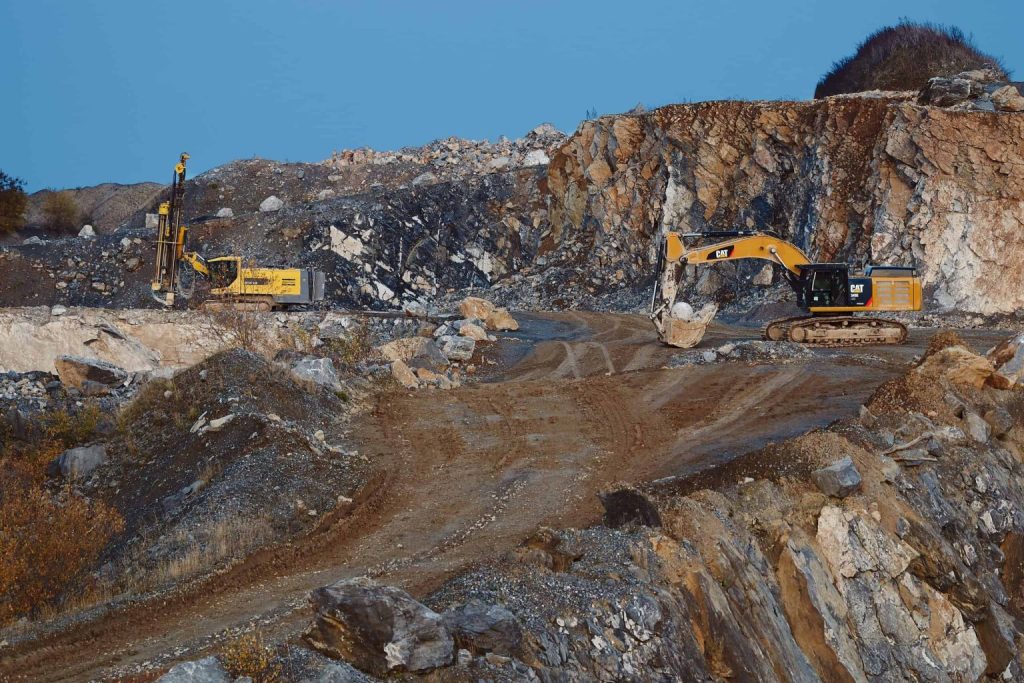
Ranked third in the world in terms of its rare earth mining potential, Vietnam could become a major player in rare earth supply chains. Here’s how foreign investors can get involved. Rare earths are essential elements for the production of various products, including cancer drugs, smartphones, and renewable energy technologies. At the moment, China accounts for 63 percent of the world’s rare earth mining, 85 percent of rare earth processing, and 92 percent of rare earth magnet production. As the world moves towards a green energy future, and trade friction persists between China and the US, alternative sources of rare earths are in demand. With the rapid advancements in technology, a favorable investment climate, and the world’s third largest supply of rare earths, Vietnam is becoming an attractive destination for investors in the sector. The global rare earth supply chain Rare earths are a group of metallic chemical elements that are difficult to find in large quantities, which possess special magnetic and electrochemical properties. Contrary to their name, rare earths are not always particularly rare and can be found throughout the earth’s crust. However, they are often distributed in higher volumes of smaller deposits, making their extraction challenging and expensive. The global rare earth reserves have been estimated by the American Geological Survey to be 120 million tons. Among these, China possesses 44 million tons, Brazil has 22 million tons, Vietnam is estimated to have 20 million tons, followed by Russia with 18 million tons. China’s market share and geopolitics According to several studies, China possesses more than 90 percent of the global rare earth supply. As a result, China has the ability to utilize rare earths as a geopolitical tool. For instance, China threatened to halt rare earth exports to Japan in 2010 over a detained Chinese fishing trawler. Notably this prompted Japanese scientists to explore and evaluate rare earth mines in Vietnam. This unbalanced situation has raised concerns for customers who depend on China for their rare earths supply, in particular the United States, South Korea, and Europe. Furthermore, prices of rare earths have continued to rise sharply, prompting many countries to revive their own rare earth mining industries or seek alternative sources of supply outside of China. Vietnam’s rare earth reserves Vietnam has reserves of approximately 20 million tons of rare earth, which are mainly distributed in the northwest region of the country. These reserves are valued at approximately US$3 trillion, providing a significant opportunity for the nation’s economic development. Rare earth mining in Vietnam is concentrated in the Northwest and Central Highlands and includes light rare earth groups of hydrothermal origin. Various rare earth mineral deposit points have been identified, such as North Nam Xe, Nam Nam Xe, Dong Pao (Lai Chau), Muong Hum (Lao Cai), and Yen Phu (Yen Bai). There are also some small rare earth deposits scattered along the coast from Quang Ninh to Vung Tau. The environmental and social impact of rare earth minerals extraction and processing Rare earth ore mining and processing generates a significant amount of waste, resulting in negative environmental impacts. Waste rock is stored in landfills and is often exposed to the environment, which can cause toxic substances to dissolve and spread in groundwater systems and soil. China’s experience offers a clear example of the harmful effects of rare earth mining whereby the use of outdated technology in mining has led to serious environmental pollution. The Yellow River, an important water source for over 150 million people, has been threatened by waste from rare earth mines. In Guangdong province, strong acids leaking from nearby rare earth mining sites have damaged rice fields, streams, and canals. In response to these environmental and health concerns, China reduced mining output and introduced greater regulation of rare earth mining in 2012. Challenges faced by Vietnam in rare earth mining and processing Technology Vietnamese enterprises lack deep processing technology. Many exploration and processing companies have struggled to access processing technology, presenting a considerable challenge for businesses to penetrate the domestic market and establish exports. Commitment Domestic enterprises are not fully committed to investing in research and adopting a more comprehensive strategy towards rare earth ore processing technology. There is a distinct lack of investment, nor is there a comprehensive research and development strategy for the sector. Mechanisms and policies Regulatory mechanisms and policies are critical to advancing rare earth mining activities. Resolution No. 10, issued on October 2, 2021, acknowledges the importance of maintaining rare earth mining operations. It does, however, stop short of providing specific mechanisms and policies. Notably, investment in research and international cooperation is necessary for the advancement of the mining of these minerals. Enterprises are only able to complete 40 percent of the processing needed to make rare earths usable. This is well below the Ministry of Industry and Trade’s minimum export standard of 95 percent. Major domestic players in Vietnam’s rare earths industry The Vietnam Investment and Construction Joint Stock Company (CAVICO Vietnam) and the Vietnam Institute of Radiation Technology recently signed an agreement for the research, development, and construction of a scandium rare earth deep processing plant. This agreement is expected to pave the way for the development of the rare earth industry within Vietnam. Currently, CAVICO Vietnam is operating a mining and processing facility in Laos, which covers an area of 80 km2 in Bolikhamxay province. This is under an investment license permitting the mining and processing of nickel, iron, cobalt, gold, and silver ores. International firms operating in Vietnam’s rare earths industry Collaborating with Japan, the General Department of Geology and Minerals has discovered rare earth deposits in Lao Cai province alongside deposits in Yen Bai, Ha Giang, Cao Bang, Lang Son, Nghe An, Kon Tum, and Lam Dong. In December 2014, the Ministry of Natural Resources and Environment granted a license to Lai Chau Rare Earth Joint Stock Company and their Japanese partner to extract rare earth ores from a site in Lai Chau province. This mine is believed to hold the highest
Investing In Research And Technology For The Extraction And Processing Of Rare Earth Materials.
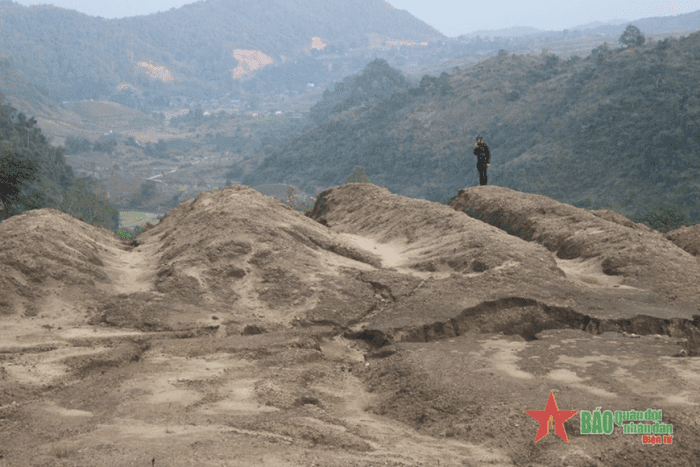
Rare earth materials are a special type of mineral with crucial importance and strategic value for the development of cutting-edge industries and high technology. However, Vietnam has not yet been able to extract and process rare earth materials deeply due to a lack of technology for mining and processing these minerals. This field is often monopolized by other countries, and technology transfer is limited. Therefore, the state should focus on investing in research and technology for the extraction and processing of rare earth materials. Vietnam has the second largest rare earth reserves in the world According to estimates from the U.S. Geological Survey, the global reserve of rare earth materials is about 120 million tons. Vietnam’s rare earth reserve is estimated to be around 22 million tons, which accounts for more than 18% of the world’s rare earth reserves, making Vietnam the second-largest reserve holder in the world, after China with 44 million tons (over 36% of the world’s rare earth reserves). Rare earth materials contain 17 elements with special magnetic and electrochemical properties. These elements are strategic materials for the development of cutting-edge technologies and high-tech industries such as electronics, optics, lasers, superconducting materials, and luminescent materials. Additionally, rare earth materials are used in the production of catalysts, magnets, alloys, abrasives, ceramics, and luminescent materials. They are essential in the manufacturing of various products, including mobile phones, hard disk drives, electric vehicles, solar panels, and wind turbines. Even though the global rare earth market’s trading value is currently below $10 billion per year, they are considered strategic resources that cannot be easily replaced by many countries, especially in the case of developed nations. Rare earth elements in Vietnam are primarily found in the Northwest region. This area contains rare earth mines that have been explored and determined to have high economic value. The Northwest region is abundant in alkaline and alkali-rich magma rocks with rare earth elements, making it favorable for the formation of rare earth mines. Currently, the largest reserve of rare earth ore of the original type is in Lai Chau province, with the potential for industrial-scale extraction. Lai Chau province is known to have four rare earth mineral deposits. Some rare earth mines can also be found in other provinces such as Lao Cai, Yen Bai, Ha Giang, Cao Bang, and Lang Son. Professor Chau Van Minh, an Academician and Chairman of the Vietnam Academy of Science and Technology, stated that, recognizing the importance of rare earth elements, the Party and the State of Vietnam have paid attention to exploration and assessment for over 40 years. Research in the direction of rare earth mineral extraction, processing, and application has been invested in by the State through science and technology programs, and positive results have been achieved through programs at the Vietnam Academy of Science and Technology. These results include the separation and purification of rare earth elements, using rare earth elements as catalyst materials, manufacturing rare earth NdFeB magnets, and producing multi-element micronutrient foliar fertilizers containing rare earth elements Despite investments in rare earth research, Vietnam has not yet been able to extract and process rare earth materials extensively. The primary reason is that Vietnam lacks the technology for mining and processing rare earth materials. Only a few countries possess deep rare earth processing technologies, and they often keep these technologies under copyright, secrecy, and do not transfer them, such as China, the United States, and Australia. Additionally, investments in science and technology in this field in Vietnam have been insufficient and not well-focused, and the application of rare earth materials has not found a significant place in the market economy. Focus on deep processing and application of rare earths According to Professor Nguyen Quang Liem, the former director of the Institute of Materials Science (Vietnam Academy of Science and Technology), the phase of mining and processing raw ore has not been economically efficient, involves the use of harmful chemicals, and causes environmental pollution. Meanwhile, the majority of economic benefits come from the applications of rare earth materials. Therefore, Professor Nguyen Quang Liem proposes the development of a project and laboratory to enhance research capabilities and technology in mining and deep processing, focusing on the high-value industrial applications of rare earth materials. Associate Professor, Dr. Hoang Anh Son, Deputy Director of the Institute of Materials Science, suggests that in the near future, the state needs to pay special attention to processing rare earth materials to meet export standards with a minimum total rare earth oxide content of 95%. Separation and purification of individual rare earth oxides should be carried out for research and production purposes, contributing to resource and environmental protection, as well as deep processing into metals. “As Vietnam is gradually becoming an attractive investment destination for electric vehicle and energy industries, developing domestic technology for producing rare earth metals as a strategic material is essential to assert control and cooperation,” emphasized Associate Professor, Dr. Hoang Anh Son. Minister of Science and Technology Huynh Thanh Dat believes that it is necessary to enhance the capacity of domestic scientific research organizations in the field of rare earth materials to better understand the reserves and components of rare earth elements in mines. Research should also focus on perfecting technology for mining and deep processing of rare earth materials suitable for Vietnam’s ore. Minister Huynh Thanh Dat hopes that Vietnam will proactively possess the technology, support businesses in mining and deep processing of rare earth materials to meet domestic demand, and work towards export while ensuring environmental protection. Source: Quandoinhandan
Vietnam-US promote cooperation on semiconductors and rare earths
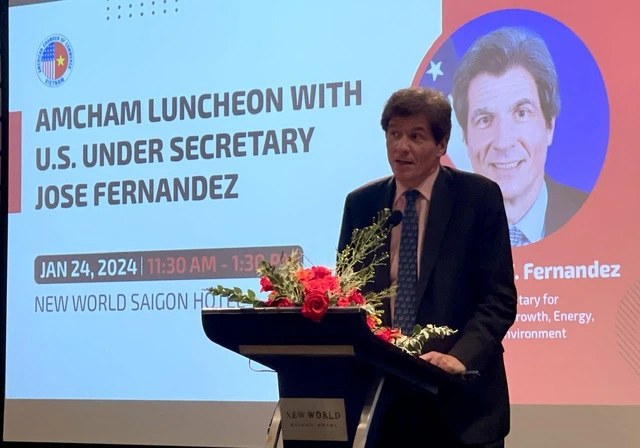
At a meeting with the American business community in Ho Chi Minh City, Mr. Jose W. Fernandez, the U.S. Deputy Secretary of State responsible for Economic Growth, Energy, and the Environment, affirmed that the two countries are constructing a key trade architecture crucial for the security and economy of the region. At the event organized by the U.S. Chamber of Commerce on January 24th, Deputy Minister Jose W. Fernandez emphasized the importance of recent memoranda of understanding signed between Vietnam and the U.S. in the semiconductor sector and workforce development for this industry in Vietnam. The goal is to enhance Vietnam’s participation in the global supply chain, thereby contributing to the strengthening of security and prosperity in the region. Additionally, rare earth elements were also a focal point of discussions during this working session by the U.S. Deputy Minister. Vietnam has a competitive advantage in semiconductors “Semiconductors are the main reason I came to Vietnam, especially related to the semiconductor supply chain. We are proud to collaborate with Vietnam in the semiconductor industry, which plays a crucial role today,” the U.S. Deputy Secretary stated. He provided an impressive figure, suggesting that approximately 125 semiconductors are needed per global citizen, with the current world population surpassing 8 billion, reflecting the enormous demand for the semiconductor technology sector. Last year, the U.S. President Joe Biden’s administration passed the CHIPS Act (Chip and Science Act), which would invest over $50 billion to support the entry of chip manufacturing plants into this market. To realize this commitment, the Washington government established the International Technology and Innovation Security Fund (ITSI), and the U.S. Department of State received $500 million to build a reliable partner network in the semiconductor industry over 5 years. Deputy Secretary Fernandez mentioned that part of the ITSI funding is coming to Vietnam, thanks to Vietnam’s strengths in semiconductor sampling, testing, and packaging. He believes that the ITSI Fund will leverage Vietnam’s existing strengths by identifying new investment opportunities and expanding the workforce. The U.S. Deputy Secretary pointed out that the significant limitation for some countries globally today is not capital but the labor force. Simply put, they cannot find enough labor for this industry. Therefore, through the ITSI Fund, the U.S. and Vietnam will collaborate to expand the workforce in the semiconductor industry in both countries. Rare earths opportunities In addition to semiconductors, the visit of the U.S. Deputy Secretary of State also focuses on building potential cooperation efforts in the rare earth element sector. The rare earth element group, consisting of 17 types with special magnetic and electrochemical properties, currently plays a crucial role in global efforts to transition to low-carbon energy. This is because these materials are widely used for energy storage and permanent magnets, as well as in defense technology applications. The demand for rare earth elements is expected to continue rising sharply until 2030, as elements like neodymium, dysprosium, and praseodymium are essential for producing permanent magnets used in electric and hybrid vehicle motors and wind turbine generators. Consumer electronics, optics, and laser technologies also contribute significantly to the consumption of rare earth elements. According to data from the U.S. Geological Survey (USGS), Vietnam currently ranks second in the world in terms of rare earth reserves and resources, with approximately 22 million tons, following China. Moreover, Vietnam is currently the only country outside China with an integrated vertically-oriented rare earth magnet supply chain, drawing interest from companies across various sectors. Deputy Secretary Fernandez stated that to achieve the goal of net-zero emissions by 2050, the world needs a stable supply of rare earth elements. The U.S. is aiming to collaborate with Vietnam in this area, focusing on environmentally safe exploitation and diversification of the rare earth supply chain. Fernandez also emphasized the special relationship between Vietnam and the U.S., highlighting the need to seize existing opportunities for sustainable and secure development. He noted that the focus on Vietnam would not be permanent, as other countries are ready to create opportunities that the U.S. is currently exploring. This, he added, is the primary motivation for his current visit to Vietnam. Source: dantri.vn
VINACOMIN’s Welcome Message to Mining & Construction Vietnam 2024

Mining & Construction Vietnam 2024, known as Vietnam’s International Mining, Minerals Recovery and Construction Exhibition promises to be the leading industry trade show for both local and international businesses. The exhibition is held from April 24 to 26, 2024 at National Exhibition Construction Center (NECC), 1 Do Duc Duc , Nam Tu Liem District, Hanoi. Mining & Construction Vietnam 2024, known as Vietnam’s International Mining, Minerals Recovery and Construction Exhibition promises to be the leading industry trade show for both local and international businesses. The exhibition is held from April 24 to 26, 2024 at National Exhibition Construction Center (NECC), 1 Do Duc Duc , Nam Tu Liem District, Hanoi. The event has attracted over 200+ brands from various developed countries in the mining sector. This event is not only a gathering place for diverse businesses but also a crucial bridge between domestic and international enterprises. Through the exhibition, brands have the opportunity to showcase advanced technologies and machinery, providing added value to the mining market in Vietnam and the surrounding region. Vietnam National Coal – Mineral industries Holding Corporation Limited (VINACOMIN) warmly welcome domestic and foreign organizations and enterprises to participate in this exhibition. VINACOMIN believes that Mining & Construction Vietnam 2024 will create favorable conditions for sharing and learning about new technologies, as well as promoting innovation in the field. This event positively contributes to the socio-economic development of Vietnam. Wish the organizer and exhibitors have fruitful time at the show. Wishing Mining & Construction Vietnam 2024 a great success! See you at this exhibition. VIETNAM NATIONAL COAL – MINERAL INDUSTRIES HOLDING CORPORATION LIMITED See full official welcome message, download here
Exploiting rare earths effectively, Vietnam can earn up to 2 billion USD annually

In the working session with the Standing Committee of the Lai Chau Provincial Party Committee on November 19th, Prime Minister Pham Minh Chinh requested the province to focus on planning and efficiently exploiting mineral resources, including rare earth elements. Launching Rare Earth Exploitation Vietnam (VN) is evaluated to have the world’s second-largest reserves of rare earth elements after China, but so far, VN’s rare earth raw material mines are largely untouched. According to Dr. Vu Thi Hong Nhung from RMIT University Vietnam, rare earth elements play a crucial role in the production of semiconductors, a core global industry. They are also essential in various other sectors such as information technology, telecommunications, healthcare, energy, transportation, and defense. Rare earth elements are indispensable components in the manufacturing of high-tech devices like smartphones, laptops, and military equipment. In fact, for over a decade, since 2012, Japan and Vietnam have collaborated through the establishment of a joint research center in Hanoi to exploit rare earth elements in Vietnam. Japanese and Vietnamese researchers have achieved many successes in extracting metals from rare earth minerals, but all of this has remained within the laboratory setting and has not yet been commercially deployed. Despite both parties setting goals to develop optimal methods for producing high-quality products from rare earth elements, these endeavors have not been optimized for commercial implementation. The reason is that during that period, the supply of rare earth elements from China increased significantly, causing prices to remain low, making it economically challenging to embark on large-scale exploitation. By 2014, the Ministry of Natural Resources and Environment had granted licenses for the exploitation of rare earth elements in the Lai Chau and Yen Bai mines, but operations had not yet commenced. The primary reason was that businesses were unable to identify an optimal production process, as the extraction and refining of rare earth elements were considered quite complex. However, the current situation has taken a more positive turn. For example, the Lai Chau Provincial Party Committee recently announced its approval of the investment proposal for the exploitation and processing of the Bac Nam Xe rare earth mine. The designed total capacity is set to extract 400,000-600,000 tons of rare earth ore annually. Vietnam Rare Earth Joint Stock Company also revealed that it, along with its partner Blackstone Minerals from Australia (the negotiating unit for bidding on rare earth mines in Vietnam), is planning to auction the exploitation rights for the Dong Pao mine in Lai Chau, which covers an area of over 130 hectares, making it the largest in Vietnam. The aim is to supply products that meet global standards for companies worldwide. Additionally, some countries such as the United States, Japan, South Korea, etc., are expressing interest in collaborating with Vietnam for rare earth exploration. Source: BaoPhapLuạt
The domestic steel prices are sharply increasing
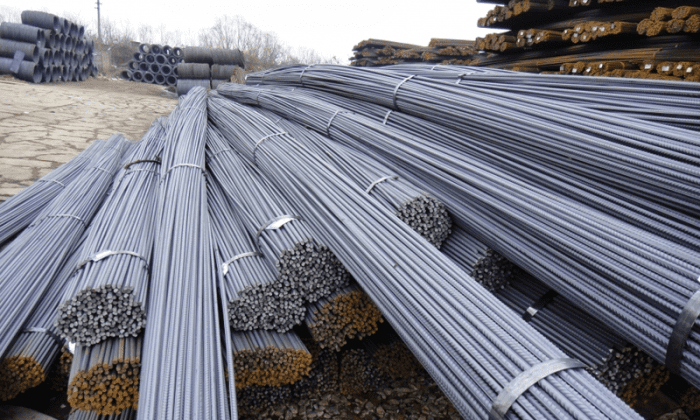
Steel prices today on November 24, 2023: Some domestic steel brands have adjusted their selling prices, with the highest increase being 410,000 VND per ton. After nearly 3 months of stagnation, domestic construction steel prices have been adjusted. Specifically, the price of CB240 rolled steel in the Northern region has been adjusted to increase by 150 – 210 VND/kg at Hoa Phat, Viet Nhat, and Viet Sing. The Viet Duc brand has adjusted the price of CB240 rolled steel to decrease by 190 VND/kg. The price of D10 CB300 ribbed steel has decreased by 40 VND/kg at Viet Duc, while Hoa Phat, Viet Y, and Viet Nhat have all increased by 150 VND/kg. According to data from Steel Online, compared to the adjustment on September 7, in this round of adjustments, the Pomina Steel brand has experienced the strongest increase. In the Central region, the price of CB240 rolled steel has decreased by 200 VND/kg for the Viet Duc brand, while Pomina and Hoa Phat have increased by 110 VND/kg and 360 VND/kg, respectively. The price of D10 CB300 ribbed steel has been recorded to increase by 100 – 410 VND/kg for the surveyed brands. In the South, the price of CB240 rolled steel at Pomina and Hoa Phat has increased by 200 VND/kg and 260 VND/kg, respectively. The price of D10 CB300 ribbed steel has increased by 300 VND/kg and 310 VND/kg at Hoa Phat and Pomina. In the South, Hoa Phat Steel has adjusted an increase of 260,000 VND/ton for CB240 rolled steel, with the selling price reaching 13.69 million VND/ton. The product D10 CB300 ribbed steel has increased by 300,000 VND/ton, with a selling price of 14.09 million VND/ton. Viet Sing Steel in the Northern region has also increased by 210,000 VND/ton for CB240 rolled steel, reaching a price of 13.4 million VND/ton; an increase of 300,000 VND/ton for D10 CB300 ribbed steel, with a price of 13.8 million VND/ton. Following the trend, the Viet Nhat Steel brand (VJS) in the Northern region has also increased by 150,000 VND/ton for both CB240 and D10 CB300 steel, with selling prices of 13.65 million VND/ton and 13.75 million VND/ton, respectively. Tung Ho Steel in the South has uniformly raised prices by 150,000 VND/ton for both CB240 and D10 CB300 steel. After the adjustment, the prices for these two items are 13.45 million VND/ton and 13.8 million VND/ton, respectively. Meanwhile, Viet Y Steel in the Northern region has increased by 150,000 VND/ton for D10 CB300 ribbed steel, with a price of 13.84 million VND/ton. The CB240 rolled steel product from this brand remains at a price of 13.43 million VND/ton. Therefore, after 19 consecutive decreases since the beginning of the year, reaching the lowest level since the end of 2020, domestic steel prices have been adjusted upward. According to analysts, the simultaneous increase in domestic construction steel prices is due to improved consumption. Additionally, the upward trend in raw material prices is also a factor leading steel companies to raise selling prices. The consumption of construction steel in October has shown significant improvement. According to the Vietnam Steel Association (VSA), in October, the sold output of construction steel reached 870,541 tons, an increase of 22% compared to the same period in 2022. In particular, the exported output of construction steel reached 168,227 tons, a 60% increase compared to October of the previous year. Meanwhile, on the global market, the futures price of steel for January 2024 on the Shanghai Futures Exchange has decreased by 62 Chinese Yuan, reaching 3,924 Chinese Yuan/ton. Source: Baoxaydung.com.vn
Data Center & Cloud Computing Growth in Vietnam
The Vietnam Data Center & Cloud Confex 2025 is an essential event for businesses looking to expand their influence and explore cutting-edge technologies in the rapidly growing data center and cloud computing industries in Vietnam. If you’re looking for opportunities to connect with industry leaders and stay ahead of the trends, this event is not to be missed. According to Research and Markets, the data center market in Vietnam is projected to reach 1.037 billion USD by 2028, with an annual growth rate (CAGR) of 10.68% from 2022. This growth highlights the increasing demand for data center solutions and cloud computing technologies, especially as Vietnam’s digital economy accelerates. Digital Transformation – A Key Driver of Industry Development Digital transformation has become a critical requirement for all businesses today. Data center and cloud computing technologies are vital in providing the infrastructure necessary for businesses to grow sustainably, optimize operational processes, and enhance competitiveness. Large tech corporations such as VNPT, Viettel, CMC, and FPT are heavily investing in modern data centers and cloud computing services to increase efficiency and expand their ability to serve customers both locally and globally. These investments play a crucial role in driving Vietnam’s digital economy while opening up opportunities for collaboration and connection with international partners. Vietnam Data Center & Cloud Confex 2025 – A Must-Attend Event for the Tech Industry Vietnam Data Center & Cloud Confex 2025 is a significant event not only for experts in the data center and cloud computing industries but also an ideal opportunity for businesses to explore advanced technology solutions, expand their networks, and strengthen industry partnerships. The event will bring together leading businesses, experts, and international investors to share and explore the latest trends in data center and cloud computing technologies. Expand Your Networking Opportunities at Vietnam Data Center & Cloud Confex 2025 With over 2,500 m² of exhibition space, Vietnam Data Center & Cloud Confex 2025 offers a unique opportunity to explore advanced data center and cloud computing solutions. Furthermore, over 20 top sponsors will help you connect and build long-lasting relationships in the tech industry. Additionally, more than 1,000 commercial visitors from various countries will be attending, providing an excellent environment for you to expand your network and explore valuable international collaboration opportunities. In-Depth Conferences on Digital Transformation and AI at Vietnam Data Center & Cloud Confex 2025 One of the highlights of Vietnam Data Center & Cloud Confex 2025 is the in-depth conferences on digital transformation, AI, and the challenges facing the data center and cloud computing industries. This is an opportunity to stay ahead of the latest technological trends and identify the best solutions for your business. These conferences promise to provide valuable and practical insights, helping you better understand the industry’s needs and challenges, and how to leverage technology for business growth. Why You Should Attend Vietnam Data Center & Cloud Confex 2025 2,500 m² of exhibition space featuring cutting-edge solutions in data center and cloud computing technologies. 20+ top sponsors to help connect and collaborate with industry experts and international businesses. 1,000+ commercial visitors from around the world, expanding international partnership opportunities. In-depth conferences on digital transformation, AI, and industry challenges to help you stay ahead of trends and find the best solutions for your business. Source: Vietnam Data Center & Cloud Confex 2025
Data Center & Cloud Computing Growth in Vietnam

The Vietnam Data Center & Cloud Confex 2025 is an essential event for businesses looking to expand their influence and explore cutting-edge technologies in the rapidly growing data center and cloud computing industries in Vietnam. If you’re looking for opportunities to connect with industry leaders and stay ahead of the trends, this event is not to be missed. According to Research and Markets, the data center market in Vietnam is projected to reach 1.037 billion USD by 2028, with an annual growth rate (CAGR) of 10.68% from 2022. This growth highlights the increasing demand for data center solutions and cloud computing technologies, especially as Vietnam’s digital economy accelerates. Digital Transformation – A Key Driver of Industry Development Digital transformation has become a critical requirement for all businesses today. Data center and cloud computing technologies are vital in providing the infrastructure necessary for businesses to grow sustainably, optimize operational processes, and enhance competitiveness. Large tech corporations such as VNPT, Viettel, CMC, and FPT are heavily investing in modern data centers and cloud computing services to increase efficiency and expand their ability to serve customers both locally and globally. These investments play a crucial role in driving Vietnam’s digital economy while opening up opportunities for collaboration and connection with international partners. Vietnam Data Center & Cloud Confex 2025 – A Must-Attend Event for the Tech Industry Vietnam Data Center & Cloud Confex 2025 is a significant event not only for experts in the data center and cloud computing industries but also an ideal opportunity for businesses to explore advanced technology solutions, expand their networks, and strengthen industry partnerships. The event will bring together leading businesses, experts, and international investors to share and explore the latest trends in data center and cloud computing technologies. Expand Your Networking Opportunities at Vietnam Data Center & Cloud Confex 2025 With over 2,500 m² of exhibition space, Vietnam Data Center & Cloud Confex 2025 offers a unique opportunity to explore advanced data center and cloud computing solutions. Furthermore, over 20 top sponsors will help you connect and build long-lasting relationships in the tech industry. Additionally, more than 1,000 commercial visitors from various countries will be attending, providing an excellent environment for you to expand your network and explore valuable international collaboration opportunities. In-Depth Conferences on Digital Transformation and AI at Vietnam Data Center & Cloud Confex 2025 One of the highlights of Vietnam Data Center & Cloud Confex 2025 is the in-depth conferences on digital transformation, AI, and the challenges facing the data center and cloud computing industries. This is an opportunity to stay ahead of the latest technological trends and identify the best solutions for your business. These conferences promise to provide valuable and practical insights, helping you better understand the industry’s needs and challenges, and how to leverage technology for business growth. Why You Should Attend Vietnam Data Center & Cloud Confex 2025 2,500 m² of exhibition space featuring cutting-edge solutions in data center and cloud computing technologies. 20+ top sponsors to help connect and collaborate with industry experts and international businesses. 1,000+ commercial visitors from around the world, expanding international partnership opportunities. In-depth conferences on digital transformation, AI, and industry challenges to help you stay ahead of trends and find the best solutions for your business. Source: Vietnam Data Center & Cloud Confex 2025 \
SOFT LAUNCH OF THE HVACR VIETNAM WEBSITE!
We are excited to announce the early access phase of the HVACR VIETNAM website. This is your opportunity to explore and stay updated with the latest information about the leading energy industry event in Vietnam. 👉 Visit now and discover event details at: vietnamenergyweek.com 🔥 Special April Offer: 4X benefits for customers who leave their information directly on the website and book a booth at:https://mining.dansolutions.vn/en/#book-a-stand This is a fantastic opportunity for you to participate and enjoy exclusive benefits from VHVACR VIETNAM. Our consultant will contact you within 24 hours after you provide accurate contact information. 💥 Don’t miss this chance! Register now to take advantage of these special offers! In the spirit of collaboration and development, if you have any feedback about your website experience, please feel free to reach out to: Ms. Lila LeE: [email protected] T: (+84) 28 3622 2588 (Ext: 107) The organizing committee is committed to recording and considering all feedback to continuously improve the website and ensure an optimal experience for you. Event Information: The International Exhibition on Energy, Renewable Energy & Energy Storage Technologies in Vietnam https://hvacrvietnam.com/ | 5-7.11.2025 | Hall A, SECC